
The history of luxury jewelry can be traced back to ancient times when humans first began to adorn themselves with precious metals and stones. Throughout history, jewelry has been worn as a symbol of wealth, power, and status, and it continues to be a highly sought-after luxury item to this day.
One of the earliest examples of luxury jewelry can be found in ancient Egypt, where gold and precious stones were used to create elaborate jewelry pieces for pharaohs and other high-ranking officials. These pieces often featured intricate designs and were worn not only for their aesthetic value but also as a symbol of wealth and power.
In ancient Rome, jewelry became even more elaborate, with wealthy citizens wearing pieces adorned with pearls, emeralds, and diamonds. During the Renaissance period in Europe, jewelry became more ornate and intricate, featuring detailed designs and intricate gemstone settings.
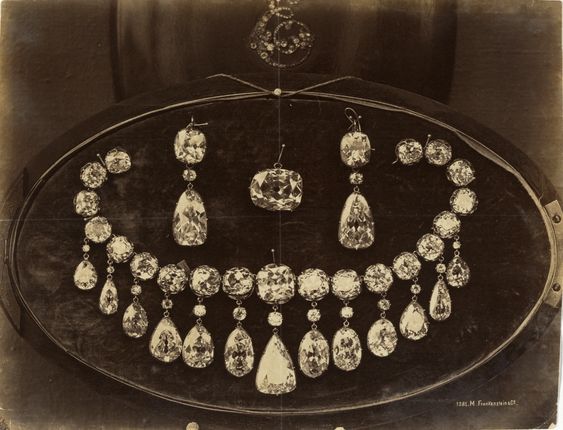
In the 18th and 19th centuries, jewelry became even more popular as European royalty began commissioning pieces from the finest jewelers of the time. These pieces often featured large, rare gemstones and were designed to be worn as statement pieces, rather than as everyday accessories.
In the early 20th century, jewelry design began to shift away from the traditional, ornate styles of the past and towards a more modern, minimalist aesthetic. Jewelers such as Cartier and Tiffany & Co. led this movement, creating sleek, sophisticated pieces that were both timeless and elegant.
Today, luxury jewelry remains a highly sought-after item, with some of the world’s most famous jewelers, such as Harry Winston and Bulgari, continuing to produce high-end pieces that are coveted by collectors and enthusiasts around the world. From traditional styles to contemporary designs, the history of luxury jewelry is a rich and fascinating one, and it continues to evolve and inspire new generations of jewelry designers and collectors.