
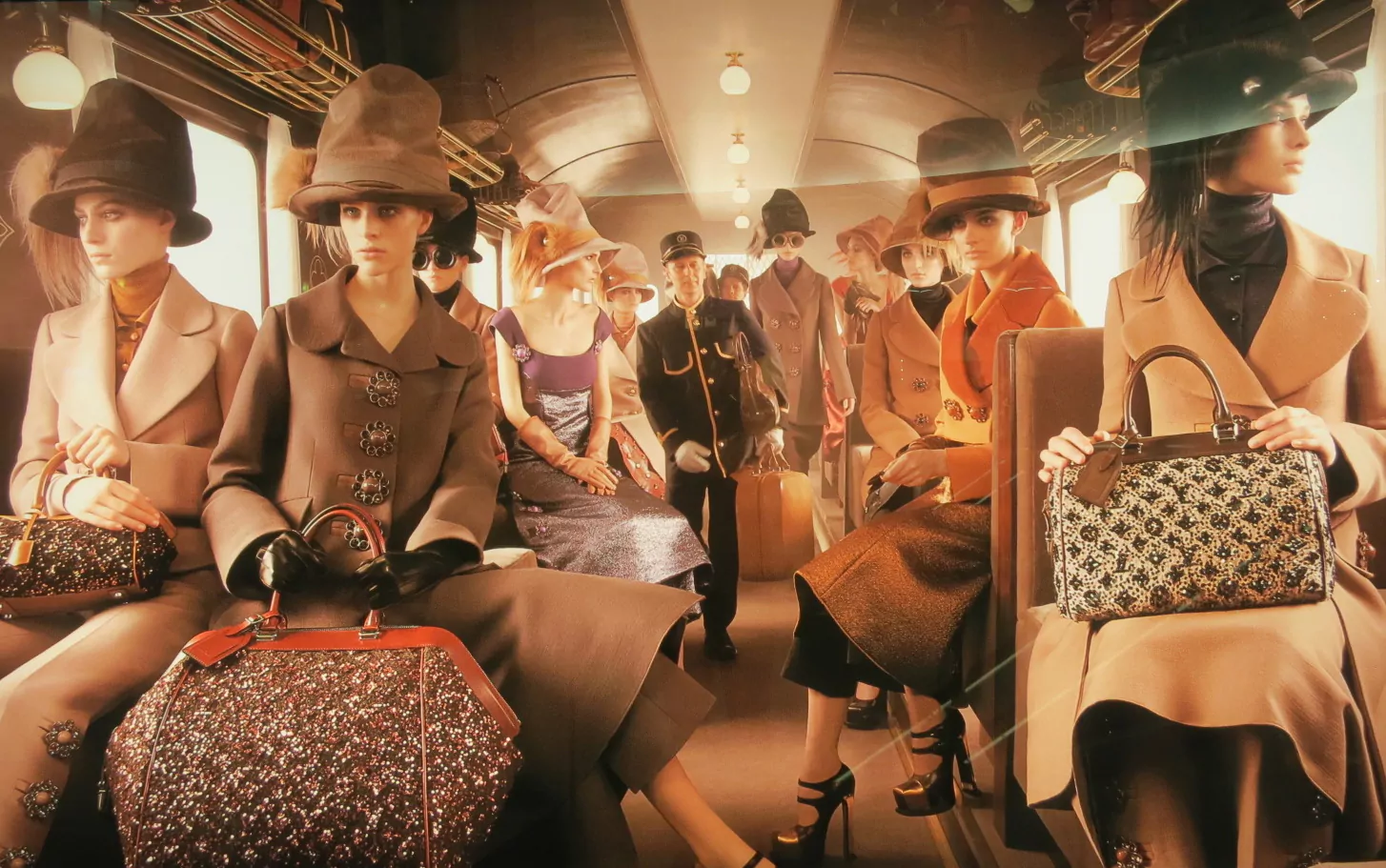
High fashion is one of the few businesses that pays close attention to trends. Predictions regarding the next great thing are a common annual event, but this year’s forecasts are more difficult and significant than in years past due to the pandemic’s enormous changes to the sector.
1.Bringing Back Haute Couture
The fact that the wealthy continued to prosper while many people struggled is one of the pandemic’s most remarkable trends. The wealthy are now using that money to purchase one-of-a-kind watches, jewelry, and clothing. High-end fashion companies have responded with online experiences built specifically for these new trends, including Dolce and Gabbana.
2. Fashion Shows in Interesting Locations
The world’s wealthiest and most well-known individuals attended the Dolce & Gabbana Alta Moda presentation in Venice, numbering over 400 attendees. Jennifer Hudson performed “Nessum Dorma” from Turandot during the concert. The gondola-delivered items drew influence from regional craftspeople and the host city’s culture. St. Mark’s Square was shut down for the first time ever for this lavish performance. As limitations on public gatherings loosen and consumers seek out spectacular experiences, expect the trend of fashion displays in unusual locations to continue.
3.Wearing Expensive Clothing Around the Home
Before the epidemic, upscale lounge and casual clothing were in style. But the tendency has quickened as people spend more time at home. Limited edition and expensive leisurewear collections are now being released by luxury labels. There will soon be more relaxed choices.
4. Focus on Convenience
Virtual try-on capabilities on luxury fashion firms’ websites are now very commonplace. Home try-on options are another trend several companies are experimenting with. These alternatives give customers a risk-free chance to try on products and then return them to the retailer if they don’t fit or they don’t like them. In reaction to store closures and a shift in consumer preferences toward online shopping, this has been done.
5.Movement of Youth
The majority of customers of luxury fashion are Millennials and Gen Z, which has led many firms that were formerly identified with older consumers to adjust their marketing efforts to target younger generations. Luxury brands are stepping up their online presence because younger consumers demand sophisticated digital experiences. In addition, several companies are launching clothing lines and advertising initiatives that are especially targeted at the young consumer.
6.An emphasis on the Asian market
The market for luxury clothing continues to develop most rapidly in Asia. The focus of luxury brands throughout the world is on expanding in China and other Asian regions. Digitally savvy and frequent users of social selling are Asian purchasers of luxury goods. In addition to providing the technology that Asian consumers need, brands also need to become more culturally and locally relevant. They must also adapt to a luxury market in Asia that is increasingly dominated by women.
7.Continuing Turning Toward Online
High-end clothing companies have historically been reluctant to embrace online sales. Due to the pandemic-related shutdown of brick and mortar stores, many people have been playing catch-up. The demand for more and better online experiences from luxury merchants will keep driving the trend toward digital transformation. Luxury firms need to figure out how to provide top-notch online experiences that buyers perceive as unique and custom, like private viewings, personal shoppers, white-glove delivery, and more customisation possibilities.
While industry experts anticipate that many consumers will return to traditional in-store luxury brand buying after the pandemic is over, many consumers will still desire top-notch online experiences. In light of this, brands need to keep coming up with fresh ideas for bringing luxury to the internet.